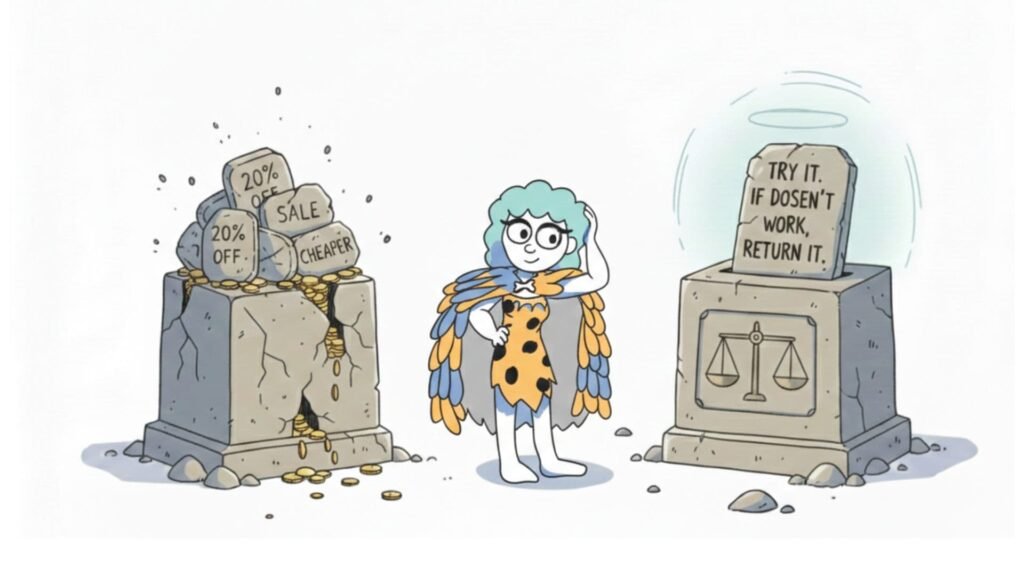
Learn when to prime, when to frame, and why most brands cancel their own conversions.
Agenda:
- When to Use Priming vs. Framing
- What’s Actually Happening in Your Customer’s Brain
- Why Sequence Matters More Than You Think
- What Happens When You Get It Backwards
- The Cancellation Effect
- Reading the Data When Something’s Wrong
- Making This Work for Your Brand
- The Timing Question
- When Priming Backfires
- The Bottom Line
When to Use Priming vs. Framing And Why Most Brands Get It Backwards
You know that feeling when you check your ad dashboard and see high engagement but low conversions? People are watching. They’re even clicking. But they’re not buying.
You’ve tried switching up your creative. You’ve tested new hooks. You’ve probably even blamed the algorithm.
But here’s what nobody tells you: the problem isn’t your creative. It’s your sequence.
You’re using the right tools at the wrong time. And when priming and framing get deployed out of order, they don’t just underperform. They cancel each other out.
Let me explain.
What’s Actually Happening in Your Customer’s Brain
Before we fix the problem, we need to understand what these two techniques actually do. Because despite what most marketing advice suggests, priming and framing are not interchangeable tactics you can swap in and out whenever you fancy.
They do completely different jobs. And they need to happen in a specific order.
Priming is what happens before your customer even knows they want something.
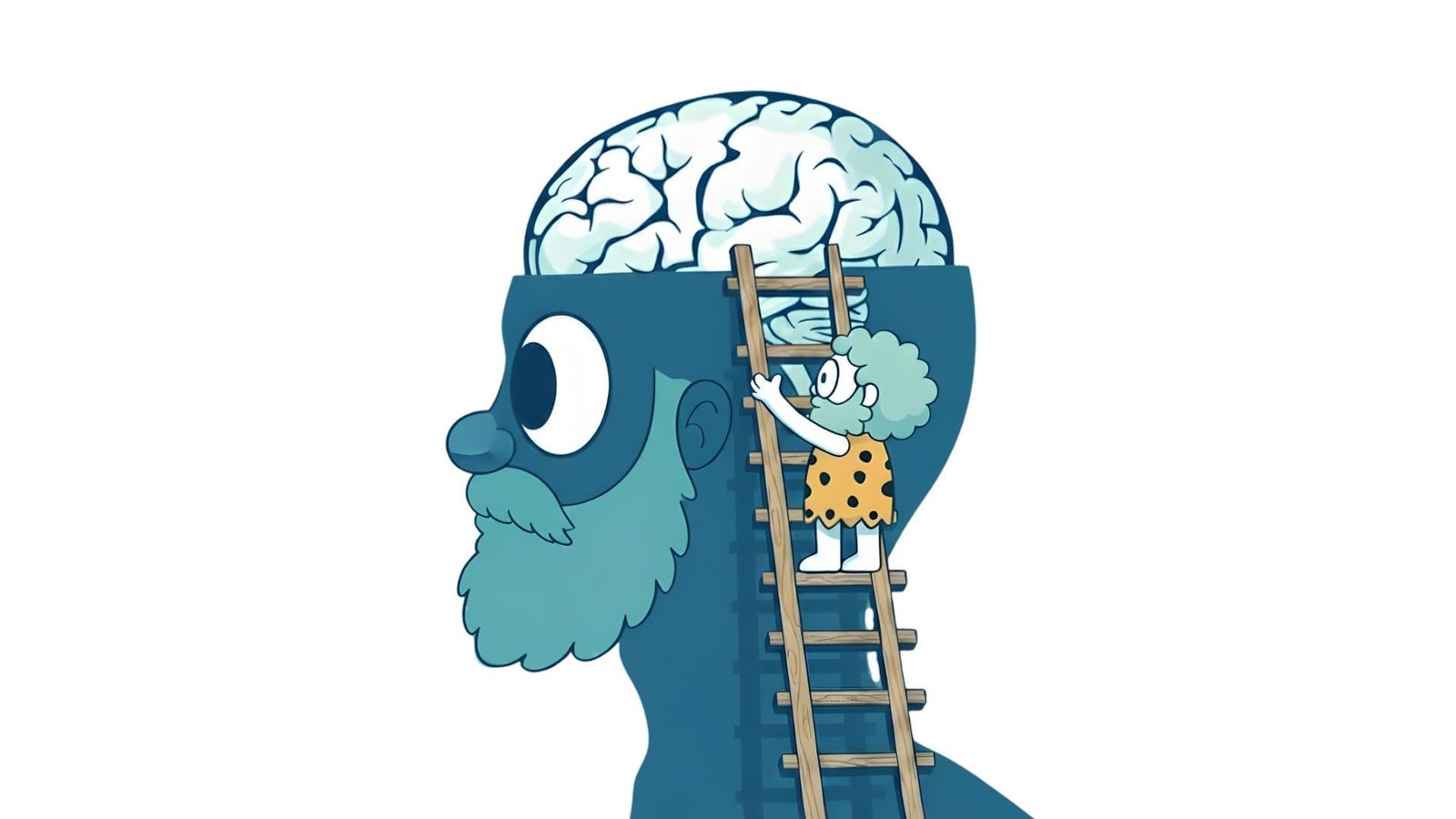
Think of it as warming up the brain. You’re not selling anything yet. You’re planting seeds. Creating associations. Activating mental pathways that will make your actual message land harder when it arrives.
The research is clear on this. Priming works on what psychologists call System 1 thinking. That’s the fast, emotional, automatic part of the brain. The part that decides whether to keep scrolling or stop. The part that makes a gut decision in under a second.
When someone scrolls past an image of friends laughing at a rooftop party, they don’t consciously think about the drink in someone’s hand. But their brain registers it. Files it away. Creates an association between that feeling of fun and whatever brand happened to be in the frame.
That’s priming. Subconscious. Pre-message. Setting the stage.
Framing is what happens when your customer is already paying attention.
This is where you shape how they interpret what you’re offering. Same information, completely different perception depending on how you present it.
The classic example: would you rather buy yoghurt that’s 90% fat-free or yoghurt that contains 10% fat? Same product. Different frame. Wildly different response.
Framing works on conscious interpretation. It’s about emphasis, context, and perspective. It helps people see your product in a way that makes the purchase decision feel obvious.
Here’s the critical difference most brands miss:
Priming prepares the brain before the message arrives. Framing shapes interpretation after you have their attention.
Priming focuses on what you expose them to first. Framing focuses on how you present the actual offer.
Get the order wrong and you create confusion. Confusion kills conversions.
Why Sequence Matters More Than You Think
Here’s where it gets interesting for brands selling to impulse buyers.
Your customer isn’t sitting down with a spreadsheet comparing features. They’re lying in bed at 11pm, thumb-scrolling through their feed, half watching something on Netflix. They have no intention of buying anything.
They decide whether to stop scrolling in about 0.4 seconds. If they do stop, you have roughly three seconds to hook them before they move on. And if you do get them to click, their brain is still operating in that fast, emotional mode.
This is a dopamine-hunting environment. Quick hits. Instant gratification. Boredom is the enemy.
So here’s the sequence that actually works:
Stage One: Prime the brain.
Before they know they want your product, you need to create positive associations. Lifestyle imagery. Energy. Movement. A vibe that makes them feel something without asking them to do anything.
Your first touchpoint shouldn’t be selling. It should be priming. You’re activating mental pathways. Creating familiarity. Making them associate your brand with a feeling they want to chase.
The research shows that people primed by a digital ad are 87% more likely to engage with the same brand later. That’s the power of getting in their head before you ask for anything.
Stage Two: Frame the decision.
Once they’re warmed up, once they’ve been exposed to your brand in a positive context, now you deploy framing. Now you shape how they see the offer.
This is where you present your product in a way that makes the decision feel effortless. Gain frames work well here for impulse buyers because time pressure amplifies their persuasive power. The research confirms that positive framing increases attention and purchase intentions significantly when people are already in a quick-decision mindset.
But here’s the crucial part: framing only works if the brain has been prepared to receive it. Without priming, your frame has nothing to anchor to. It’s like hanging a picture on a wall that hasn’t been built yet.
What Happens When You Get It Backwards
This is where most brands stumble. And honestly, it’s not their fault. Most marketing advice treats these techniques as interchangeable. Throw some social proof in your ad. Add some scarcity. Use a benefit-led headline.
That’s not strategy. That’s ingredient-throwing.
When you deploy framing before priming, here’s what happens:
Your customer sees an ad making claims about your product. But they have no context. No pre-existing positive associations. No mental framework to interpret what you’re telling them.
So their brain defaults to scepticism. Another ad. Another brand claiming to be the answer. Scroll on.
You grabbed attention momentarily, but you didn’t convert it to interest. The data shows up as high thumbstop rate, low click-through rate. People stopped, looked, and left.
When you try to prime and frame simultaneously, it’s even worse:
Two psychological mechanisms competing for the same mental real estate. The subconscious is trying to create associations while the conscious mind is trying to evaluate an offer. Neither process can complete properly.
The result is confusion. And confused people don’t buy. They bounce.
The data signature of this mistake is unmistakable: high engagement metrics paired with rock-bottom conversion rates. Your ads look like they’re working at every stage except the one that matters.
The Cancellation Effect
Here’s what the research calls this: cognitive dissonance.
When your messaging creates conflicting signals, your customer’s brain experiences discomfort. They can’t reconcile what they’re seeing with what they’re feeling. And the easiest way to resolve that discomfort is to leave.
Consumer confusion studies identify three types of confusion that kill sales: similarity confusion, overload confusion, and ambiguity confusion. Deploying priming and framing out of sequence creates all three.
Your customer can’t tell what your brand is about. They’re overwhelmed by mixed signals. The message is unclear.
All of this leads to what researchers call decision postponement. Which, for an impulse buyer, means they never come back. The moment passed. The dopamine hit came from something else. You’re forgotten.
This is the hidden tax you pay when psychological techniques get deployed at the wrong stage. It’s not that they don’t work. It’s that they cancel each other out.
Reading the Data When Something’s Wrong
So how do you know if this is happening to you?
The metrics tell a story. You just need to know how to read them.
High thumbstop, low click-through:
People are stopping at your ad. The visual is working. But they’re not clicking.
This usually means your priming is doing its job but your framing isn’t landing. You grabbed attention with energy and movement, but then your message didn’t give them a reason to care.
The fix: check if your ad copy is trying to explain too much too fast. Impulse buyers don’t need a sales pitch at this stage. They need a reason to stay curious.
High click-through, high bounce rate:
People are clicking but immediately leaving your landing page.
This is the classic ad-to-page disconnect. Your ad created one expectation. Your page delivered something else. The frame shifted and their brain didn’t follow.
The research consistently shows this is the number one reason campaigns fail to convert despite strong click metrics. The customer felt one thing in the ad and something completely different on the page.
The fix: make sure your landing page continues the same psychological journey. If your ad primed them with energy and excitement, your page shouldn’t open with a wall of text explaining features.
High hold rate, low purchase rate:
People are watching your content. They’re engaged. But they’re not buying.
This often means you’ve built interest but haven’t closed the trust gap. For impulse buyers, this is less about proof and more about momentum. You slowed them down when you should have sped them up.
The fix: remove friction. Make the next step obvious. Don’t ask them to think. Let them act on the feeling you’ve created.
Making This Work for Your Brand
Right. Enough theory. Here’s how to actually apply this.
Your first touchpoint should never sell.
This is hard for brands to accept because every ad feels like it needs to drive immediate return. But for impulse buyers, the sale happens in the second or third exposure, not the first.
Your first ad should prime. Lifestyle content. Movement. Texture. A feeling they want to chase. No call to action. No product pitch. Just vibes.
Think about what mental pathway you want to activate. If you’re selling something that makes people feel cool, show cool. If you’re selling something that creates calm, show calm. Let the subconscious do the work.
Your second touchpoint shapes the frame.
Now they’ve seen you before. There’s familiarity. Positive associations already exist.
This is where framing earns its money. Present your product in a way that makes the decision feel obvious. Emphasise what they gain. Create a sense of momentum. Make the purchase feel like the natural next step, not a commitment they need to think about.
For impulse buyers, gain frames outperform loss frames at this stage. They’re not avoiding pain. They’re chasing excitement. Frame accordingly.
Your landing page continues the journey.
This is where most brands break the chain. The ad worked. The click happened. And then the page kills it.
Your page needs to feel like a continuation, not a restart. Same energy. Same visual language. Same emotional tone.
The first thing they see should confirm they’re in the right place. Not explain what you do. Not list your features. Just confirm the feeling that made them click.
Then make the purchase easy. One click if possible. No unnecessary steps. Remember, you’re working with people who decide in three seconds. Every extra click is a chance for them to change their mind.
The Timing Question
For impulse buyers, the gap between priming and framing should be short. We’re not talking weeks of brand building before you ask for the sale.
This can happen within the same day. Even within the same scrolling session.
They see your lifestyle ad in the morning. It registers subconsciously. Later that afternoon, they see your product ad. The primed associations fire. The frame lands. The purchase happens.
Sequential advertising research shows this works. Advertisers who sequence their ads so that the first one primes viewers for the second consistently outperform those who treat every ad as a standalone sales pitch.
The platforms are built for this. Retargeting exists for exactly this reason. Show them the vibe first. Show them the offer second.
But most brands do it backwards. They lead with the offer, then try to build the vibe afterwards. Which is like trying to convince someone to hang a picture after they’ve already left the room.
When Priming Backfires
One more thing before we wrap up. Because priming isn’t foolproof.
The research reveals something interesting called reverse priming. It happens when people recognise that they’re being influenced and their brain automatically corrects for the perceived bias.
This is why overt brand slogans can actually work against you. Studies found that while a brand name can prime positive associations, an obvious slogan triggers scepticism. People feel the persuasion attempt and push back against it.
Goal priming can also backfire in unexpected situations. If someone is making a familiar, routine decision, priming works beautifully. But if the situation feels unusual or high-stakes, goal priming can produce the opposite of the intended effect.
The lesson: keep priming subtle. The moment it feels like marketing, the spell breaks.
The Bottom Line
Priming and framing are powerful techniques. But power without sequence is just noise.
Prime first. Create the associations. Warm up the brain. Make your brand feel familiar and positive before you ask for anything.
Frame second. Shape how they see the offer. Emphasise the gain. Make the decision feel effortless.
And whatever you do, don’t try to do both at once. You’ll create confusion. Confusion creates bounce. Bounce means you paid for attention you couldn’t convert.
The data will tell you if you’re getting it right. High engagement with high conversion means the sequence is working. High engagement with low conversion means something’s out of order.
Now you know what to look for. And you know how to fix it.