Learn how exclusivity drives repeat purchases and lifetime value.
Agenda:
- Understanding the Interest vs Exclusivity Gap
- The Diagnostic Signals: How to Spot the Gap
- What’s Actually Happening in Their Heads
- The Exclusivity Tactics That Actually Work
- The Language Patterns That Signal Exclusivity
- The Visual Identity That Communicates Exclusivity
- Maintaining Exclusivity Whilst Scaling
- How Exclusivity Shows Up Across the Journey
- The Authenticity and Exclusivity Balance
- The Role of Community in Creating Exclusivity
- What Conversion Actually Looks Like When You Fix This
- The Bottom Line
Your engagement metrics look strong. People are liking posts, saving content, spending minutes scrolling through your feed. They’re clearly interested.
But they’re not buying. Or if they buy once, they never come back.
This is the Gazecatcher conversion problem. High interest, low commitment. Strong engagement, weak loyalty.
The issue isn’t that they don’t like your brand. It’s that they don’t feel the pull of belonging. They’re thinking “maybe later” instead of “I need to be part of this.”
You’ve built interest. You haven’t built exclusivity.
Understanding The Interest vs Exclusivity Gap
Interest is easy to generate. Post beautiful imagery, share compelling stories, create aspirational content. Gazecatchers will engage.
They’ll save your posts for inspiration. They’ll show friends. They’ll think “that’s nice.”
But interest doesn’t trigger purchase. Exclusivity does.
Here’s the difference:
Interest says “I like what I see.” Exclusivity says “I want to be seen as someone who belongs to this.”
Interest is passive appreciation. Exclusivity is active identity alignment.
For Gazecatchers, who use brands as signals to tell the world who they are, exclusivity is what converts interest into commitment.
Research shows consumers with emotional connection to a brand have 306% higher lifetime value. They stay 5.1 years versus 3.4 years. They recommend at 71% versus 45%.
That emotional connection comes from feeling like they’re part of something exclusive, not just purchasing from something popular.
The Diagnostic Signals: How To Spot The Gap
Your analytics reveal exactly where interest exists without exclusivity.
High save rate but low purchase rate: They’re bookmarking you for later. The “maybe later” mindset. They like what they see but don’t feel urgency to belong.
High engagement but low follow-through: Likes and comments don’t translate to follows or purchases. They appreciate from distance but don’t commit to association.
Strong time on site but weak conversion: They’re reading everything, consuming content, but leaving without buying. Interest captured, exclusivity missing.
Low returning customer rate despite decent first-purchase conversion: They buy once to try but don’t come back. The brand didn’t create belonging, just curiosity.
High traffic from ads but low organic growth: Paid reach works but word-of-mouth doesn’t spread. They’re not identifying strongly enough to recommend.
The pattern across all these signals: engagement without gravity. They orbit your brand but don’t feel pulled into the tribe.
What’s Actually Happening In Their Heads
Gazecatchers move through your content evaluating one primary question: does aligning with this brand elevate my identity?
When you’ve built interest but not exclusivity, their internal monologue sounds like this:
“This looks good. I like the aesthetic.”
“But so do thousands of other people apparently.”
“If everyone has this, what does it say about me specifically?”
“Maybe I’ll come back to it later.”
Later never comes. Because there’s no exclusivity pulling them back.
They need to feel like belonging to your brand signals something specific about their taste, values, or identity. Something that not everyone gets. Something worth claiming.
Without that feeling, you’re just another pretty brand they might purchase from someday. With it, you become part of their identity they want to signal publicly.
The Exclusivity Tactics That Actually Work
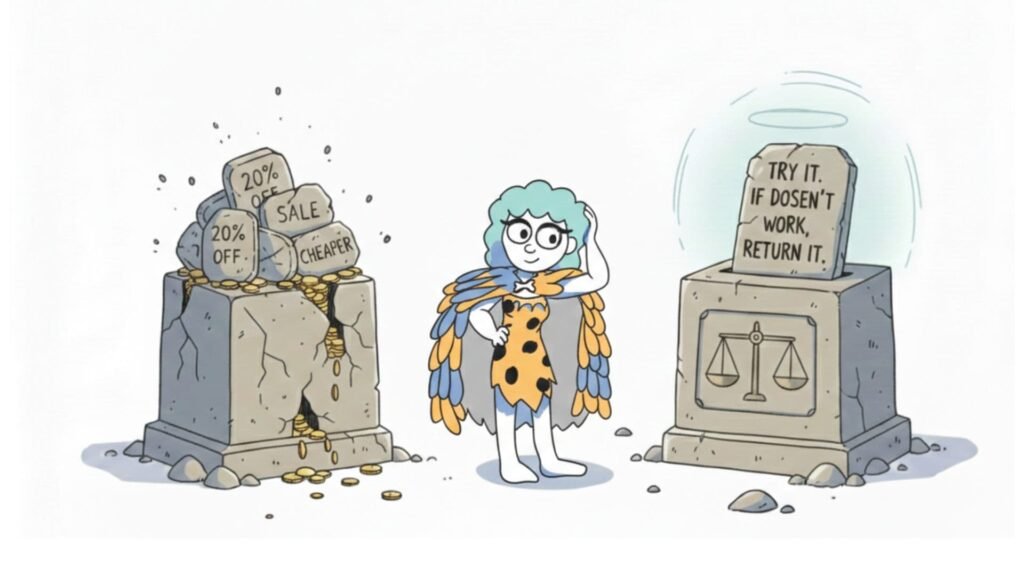
Forget countdown timers and “only 3 left” warnings. Those tactics trigger Gazecatchers’ scam detectors.
Real exclusivity for identity-driven buyers isn’t about manufactured scarcity. It’s about engineered alignment between brand identity and consumer self-image.
Here are the tactics that create genuine exclusivity:
Tactic 1: Tiered Community Access
Create membership levels that provide genuine value, not just discounts.
Base tier: Regular customers with standard access Mid tier: Early access to new releases, exclusive content Top tier: Direct founder access, product development input, private events
Research shows paid VIP tier members spend 73% more than guest visitors. Not because of discounts, but because belonging to the inner circle validates their identity.
What makes this work: It’s not about limiting product access. It’s about limiting tribe access. Gazecatchers want to be part of communities that reflect their values and aesthetic.
Implementation: Start with email list segmentation based on engagement and purchase history. Give your most engaged customers special designation and actual insider access.
Tactic 2: Curated Gated Content
Create content that’s only accessible to community members or customers.
Behind-the-scenes development process. Design philosophy documentation. Founder conversations. Editorial perspectives that go deeper than public posts.
What makes this work: You’re not hiding products. You’re providing additional layers for people who care enough to engage deeper. This signals “we have substance beyond surface aesthetic.”
Implementation: Private blog, members-only newsletter, customer-only Discord or community platform. Make the barrier meaningful but not impossible.
Tactic 3: Invitation-Only Experiences
Physical or digital events that require invitation, not just payment.
Workshops, studio visits, product previews, collaborative design sessions.
What makes this work: Being invited signals you’re recognised as aligned with the brand values. It validates identity, not just purchasing power.
Implementation: Identify customers whose values and aesthetic align most clearly. Invite them to participate in experiences that deepen belonging. Document and share tastefully, creating FOMO for others.
Tactic 4: Deliberate Limited Production Runs
Not fake scarcity. Real production constraints based on quality, craft, or sustainability commitments.
“We produce 500 units per quarter because that’s our workshop capacity” is authentic. “Only 3 left!” countdown is manipulation.
What makes this work: It demonstrates commitment to quality over volume. Gazecatchers respect brands that refuse to compromise standards for scale.
Implementation: Be transparent about why production is limited. Sustainability, craftsmanship, quality control. The constraint must be real and aligned with stated values.
Tactic 5: Values-Based Positioning That Excludes
Explicitly state who your brand is for and, critically, who it’s not for.
“If you value X over Y, we’re not your brand” takes courage. But it creates clear identity alignment.
What makes this work: Gazecatchers don’t want brands trying to appeal to everyone. They want brands with clear point of view that matches theirs.
Implementation: Articulate specific values in About page, product descriptions, content. Don’t hedge. Don’t try to include everyone. Draw clear lines.
Tactic 6: Early Access Hierarchy
Give loyal customers, engaged community members, and brand advocates first access to new releases.
Not through paying for “VIP access.” Through demonstrated alignment over time.
What makes this work: Rewards belonging, not just spending. Shows that being part of the community matters more than transaction volume.
Implementation: Track engagement signals beyond purchase. Comments, shares, community participation. Use those signals to determine early access priority.
Tactic 7: Co-Creation Opportunities
Involve customers in actual product development, design decisions, or brand direction.
Polls aren’t enough. Real input that visibly shapes outcomes.
What makes this work: Transforms customers from consumers to contributors. Their identity becomes intertwined with brand because they helped build it.
Implementation: Invite highly engaged customers to feedback sessions. Show how their input changed actual decisions. Credit them publicly when appropriate.
The Language Patterns That Signal Exclusivity
How you communicate matters as much as what you offer.
Mass appeal language: “Join thousands of satisfied customers” “Everyone loves our products” “The perfect solution for anyone”
This signals popularity, not exclusivity. For Gazecatchers, popularity can actually be a turn-off if it means losing distinctiveness.
Exclusivity language: “For those who value craft over convenience” “Not for everyone. For you.” “A community of people who believe X”
This acknowledges that the brand isn’t trying to serve everyone. It’s serving a specific type of person with specific values.
The shift is subtle but powerful. From inclusive to selective. From mass to particular.
The Visual Identity That Communicates Exclusivity
Gazecatchers read visual signals before words.
What signals mass appeal:
- Bright, loud colours competing for attention
- Busy layouts with multiple CTAs
- Stock photography
- Obvious sales language
- Cluttered design trying to communicate everything
What signals exclusivity:
- Minimalist design with intentional white space
- Muted, sophisticated colour palettes
- Original photography with consistent aesthetic
- Understated copy that assumes knowledge
- Clear point of view in every visual decision
The research is clear: exclusivity isn’t about luxury price points. It’s about design coherence that signals “we know exactly who we are.”
Gazecatchers notice when every visual decision aligns. Packaging, website, social media, product design. Consistent aesthetic suggests internal conviction, not market-tested appeal.
Maintaining Exclusivity Whilst Scaling
Here’s the concern: won’t growth destroy exclusivity?
Not if exclusivity comes from identity alignment rather than artificial scarcity.
Supreme grew from skateboard shop to global brand. They maintained exclusivity not through limiting access but through unwavering commitment to specific aesthetic and values.
The key: consistency in brand identity even as customer base expands.
What destroys exclusivity during growth:
- Diluting aesthetic to appeal to broader market
- Compromising quality to meet volume demands
- Abandoning stated values for revenue opportunities
- Shifting positioning to chase trends
- Inconsistent brand presentation across channels
What maintains exclusivity during growth:
- Doubling down on core identity and refusing to dilute
- Maintaining quality standards even if it slows growth
- Staying true to values even when profitable to pivot
- Ignoring trends that don’t align with brand essence
- Ensuring every new touchpoint reflects same aesthetic
There’s no tipping point where size automatically destroys exclusivity. The tipping point is when a brand compromises identity to chase growth.
Gazecatchers forgive limited availability. They don’t forgive identity inconsistency.
How Exclusivity Shows Up Across The Journey
Different stages need different exclusivity tactics.
Stage 1, Unaware: Visual identity that immediately signals “this isn’t mass market.” Aesthetic that stands apart from competitors. Clear niche positioning.
Stage 2, Problem Aware: Values-based messaging that attracts specific identity alignment. Content that speaks to particular worldview, not universal appeal.
Stage 3, Solution Aware: Community visibility. Showing who else belongs to this tribe. Proving the type of people who align with this brand.
Stage 4, Product Aware: Early access opportunities. Invitation to deeper engagement. Signals that commitment is rewarded with belonging.
Stage 5, Most Aware: Co-creation opportunities. Community integration. Transformation from customer to tribe member.
Deploy exclusivity tactics progressively. Stage 1 needs aesthetic differentiation. Stage 5 needs actual community integration.
The Authenticity and Exclusivity Balance
Your answers confirmed: yes, you can have both authenticity and exclusivity together.
In fact, they reinforce each other.
Authentic exclusivity comes from genuinely serving a specific audience with specific values, then being honest about that specificity.
Inauthentic exclusivity comes from manufacturing scarcity or elitism to create false demand.
Gazecatchers detect the difference instantly.
Authentic exclusivity: “We make 200 units per month because our workshop prioritises craft over volume. This means longer wait times but guaranteed quality.”
Inauthentic exclusivity: “Only 3 left! This deal expires in 2 hours!” whilst having unlimited inventory.
The first signals values-driven constraints. The second signals manipulation.
Build exclusivity around what’s genuinely true about your brand. Your actual production constraints. Your real values. Your specific aesthetic point of view.
Then communicate those truths clearly. That’s authentic exclusivity.
The Role Of Community In Creating Exclusivity
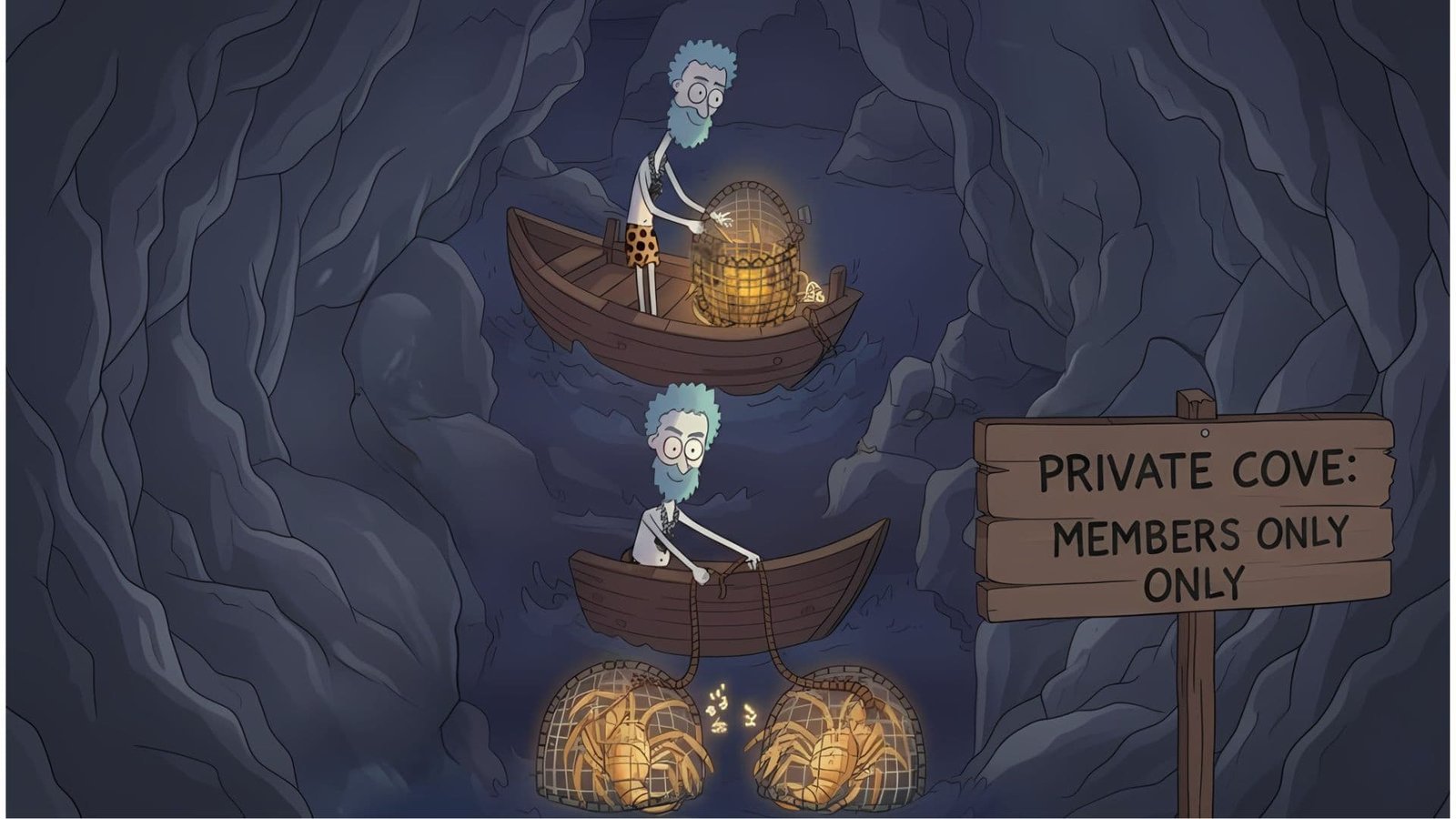
For Gazecatchers, exclusivity is about tribe access, not just product access.
They want to belong to a community of people who share their values and aesthetic. The product is the membership token.
This is why community-building creates more sustainable exclusivity than limited stock drops.
Limited stock creates temporary urgency. Community belonging creates ongoing identity alignment.
How to build exclusivity through community:
Create spaces where members connect with each other, not just consume brand content. Forums, Discord servers, private groups where customers interact.
Facilitate real relationships between community members. Introductions, collaborations, shared experiences. The network effect becomes the exclusivity.
Recognise and elevate community members who embody brand values. Feature their stories, amplify their voices, make them feel seen.
Create shared language, inside references, cultural touchstones that only community members understand. This builds belonging that outsiders can see but not access without joining.
When community becomes the valuable element, products become the access point. That’s when exclusivity shifts from manufactured to inherent.
What Conversion Actually Looks Like When You Fix This
The immediate metric isn’t purchase rate jumping 50%. It’s lifetime value transformation.
Brands that successfully build exclusivity see returning customer rates increase dramatically. First purchase might stay similar, but second, third, fourth purchases accelerate.
Research shows consumers with emotional brand connection stay 5.1 years versus 3.4 years. That’s 50% longer customer relationships.
They spend 306% more over that lifetime. Not from discounting or promotions. From deepened belonging.
Recommendation rates increase from 45% to 71%. Because they’re not just satisfied customers. They’re identity-aligned tribe members who want others like them to discover the brand.
The timeline: Months 1 to 3: Interest metrics stay similar. Exclusivity tactics being implemented. Months 4 to 6: Returning purchase rate starts climbing. Community engagement increases. Months 7 to 12: LTV metrics show clear divergence. Engaged customers spending significantly more. Year 2 and beyond: Community effect compounds. Members recruit similar members. Growth becomes sustainable.
This isn’t quick-fix conversion optimisation. It’s building gravitational pull that turns interested browsers into committed tribe members.
The Bottom Line
Gazecatchers engage with brands they like. They commit to brands they want to be associated with.
Interest is about appreciation. Exclusivity is about identity.
You’ve built interest by creating beautiful aesthetic, sharing compelling content, developing quality products. That’s why engagement is high.
But engagement without exclusivity creates “maybe later” mindset. They like what they see but don’t feel pulled to belong.
Exclusivity comes from clear identity alignment. From showing not everyone belongs here. From building community that validates belonging. From maintaining consistency even during growth.
It’s not countdown timers or fake scarcity. It’s engineered alignment between brand identity and consumer self-image.
When Gazecatchers see your brand, they should immediately know if it’s for people like them or not. That clarity creates exclusivity. The vagueness of mass appeal destroys it.
Stop trying to include everyone. Start serving the specific identity your brand actually represents. Communicate that clearly. Build community around those shared values.
That’s when interest becomes commitment. When browsers become tribe members. When engagement metrics transform into lifetime value.
The gravity they’re missing isn’t from limited stock. It’s from belonging to something that reflects who they want to be seen as.
Build that. The conversions follow.