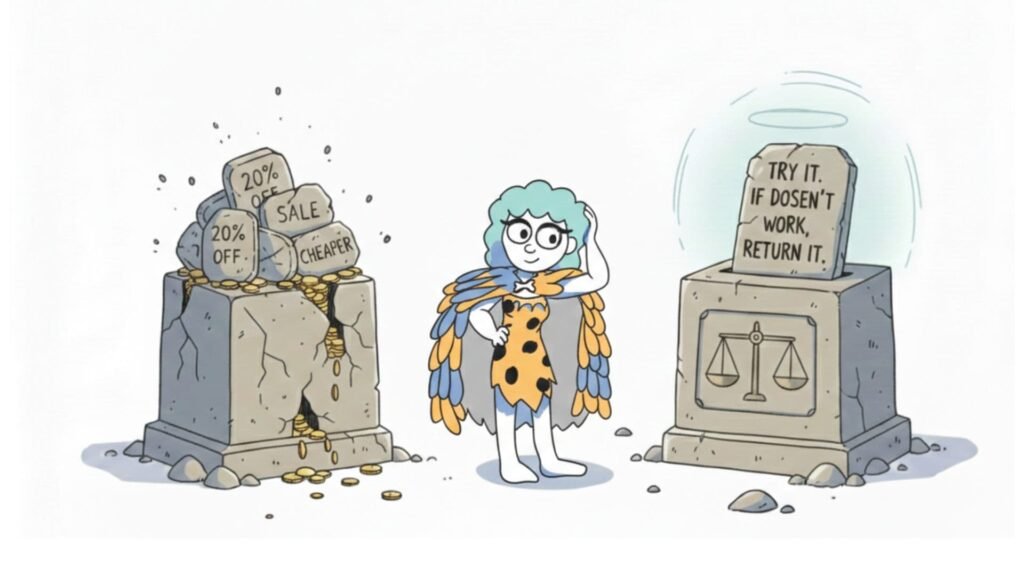
User Generated Content is the #1 content theme for Gazecatchers. But there are 7 subtypes and most brands only know 1.
Agenda:
- Why UGC Matters Specifically for Gazecatchers
- The Seven Types of UGC and What Each Actually Does
- The Type Most Brands Default To (And Why It Fails)
- How to Diagnose Which UGC Type You’re Missing
- The Critical Mistake: Wrong Type at the Wrong Stage
- How to Source Each UGC Type Without Destroying Authenticity
- Getting Permission Without Destroying Authenticity
- Maintaining Brand Aesthetic with Diverse UGC
- The Content Ratio That Actually Works
- Where Each UGC Type Lives
- Handling Off-Brand or Negative UGC
- The Conversion Impact When Done Right
- The Bottom Line
You’re reposting customer photos. You’re sharing testimonials. You’re running hashtag campaigns.
But your Gazecatchers still aren’t buying. Or worse, they’re not even following.
The problem isn’t that you’re using user-generated content. It’s that you’re using the wrong type. Or deploying it at the wrong stage. Or asking for content that signals mass appeal rather than exclusive taste.
Research shows 79% of people say user-generated content highly impacts their purchasing decisions, whilst only 13% say brand-created content matters. For Gazecatchers, that gap is even wider.
But here’s what nobody tells you: not all UGC works the same way. There are seven distinct types, each serving different psychological functions at different stages of the buying journey.
Most brands default to the weakest type and wonder why it doesn’t move the needle.
Why UGC Matters Specifically For Gazecatchers
Gazecatchers use brands as identity signals. What they buy tells the world who they are.
This creates a unique problem: how do they know if aligning with your brand will elevate their image or make them look like they fell for marketing hype?
They can’t trust brand content. That’s curated, polished, designed to sell. It doesn’t answer the real question: what does using this product actually signal about me?
User-generated content solves this. It shows them what type of people actually use the product. What aesthetic they have. What values they project. Whether those people represent an identity they want to claim.
This is why UGC converts 5 times more effectively than professional brand content for identity-driven buyers. It’s not about product features. It’s about seeing themselves reflected in the community.
When visitors actively engage with UGC, conversions increase by 102%. Not 10%. Not 20%. Over 100%.
Because they’re not evaluating the product. They’re evaluating whether the tribe is worth joining.
The Seven Types Of UGC And What Each Actually Does
Most brands think UGC means reposting customer photos with your product visible. That’s one type. The weakest type.
Here’s the complete taxonomy and what each type accomplishes:
Type 1: Lifestyle Integration UGC
This shows your product integrated naturally into someone’s life. Not staged product shots. Not unboxing videos. Real moments where the product exists as part of a broader aesthetic.
What it signals: This is what my life could look like. This is the identity I could project.
When it works: Stage 1, Unaware. They’re scrolling, not actively shopping. This type stops them because it represents an aspirational lifestyle, not a sales pitch.
What makes it effective: The product is secondary to the lifestyle. The focus is on the person’s aesthetic, their environment, their vibe. The product enhances rather than dominates.
Example: A coffee mug appearing in a beautifully styled morning routine. The mug isn’t the subject. The enviable morning ritual is. But Gazecatchers notice what brands contribute to that aesthetic.
Type 2: Identity Declaration UGC
This is content where users explicitly state what using your brand says about them. Not testimonials about product quality. Declarations about identity alignment.
What it signals: People like me, who value these things, choose this brand.
When it works: Stage 2, Problem Aware. They recognise there’s a gap between their current state and their ideal self. This content shows them the bridge.
What makes it effective: The creator articulates values, not features. They explain why this brand fits their self-concept. Gazecatchers see their own aspirations reflected.
Example: Someone posting “Finally found a brand that gets minimalism without being boring” or “This is what conscious consumption looks like for me.”
Type 3: Peer Validation UGC
Content from people whose taste Gazecatchers respect. Not celebrities. Not massive influencers. People with 2,000 followers who have impeccable aesthetic sense and clear point of view.
What it signals: If someone whose judgement I trust chose this, it must meet their standards.
When it works: Stage 3, Solution Aware. This is the Authenticity Anxiety stage. They want to join but refuse to look like they’re faking it. Peer validation from the right peers removes that fear.
What makes it effective: The creator’s credibility matters more than follower count. Gazecatchers check their profile, scroll their feed, evaluate their overall aesthetic. If it aligns, the validation transfers.
Example: A micro-influencer with a distinct minimalist aesthetic posting about your brand. Not sponsored. Not #ad. Just genuine use that their audience notices.
Type 4: Behind-The-Scenes UGC
Customers documenting their experience with your brand beyond just using the product. Unboxing, first impressions, packaging details, the complete brand experience.
What it signals: The entire brand experience matches the image I want to project, not just the product.
When it works: Stage 3 and 4. They’re evaluating not just whether the product works, but whether every touchpoint reflects the identity they want.
What makes it effective: Gazecatchers care about details. Packaging matters. Presentation matters. How it arrives matters. This UGC type validates that the complete experience is worthy of their standards.
Example: Unboxing videos that linger on packaging design, note cards, presentation. Not “let’s see what’s inside” energy. More “appreciating the craft” energy.
Type 5: In-Context Usage UGC
Content showing the product being used in specific contexts that Gazecatchers aspire to. Not generic “here’s me wearing this.” Specific environments, activities, moments.
What it signals: This product fits naturally into the life I’m building.
When it works: Stage 4, Product Aware. They’re comparing options. This type shows them contextual fit that staged brand photos can’t demonstrate.
What makes it effective: The context matters as much as the product. A water bottle at a design studio. A notebook in a minimalist workspace. Skincare in a beautifully curated bathroom. The environment signals taste.
Example: Your product appearing in photos of spaces or situations that represent the Gazecatcher aesthetic. The product proves it belongs in that world.
Type 6: Transformation Narrative UGC
Before and after content, but not in the cliché weight-loss ad sense. More subtle transformations: how the product elevated their routine, improved their space, refined their aesthetic.
What it signals: This is the catalyst for becoming the version of myself I want to be.
When it works: Stage 4 and 5. They believe it could work but need proof of actual elevation, not just maintenance.
What makes it effective: The transformation is about identity and aesthetic, not just functional outcomes. “My morning routine feels more intentional” matters more than “I saved 10 minutes.”
Example: Someone showing their workspace before adopting your organisational products and after. The transformation is about aesthetic coherence and intentionality, not just tidiness.
Type 7: Community Belonging UGC
Content that shows participation in your brand community. Not just using the product, but being part of the tribe. Events, meetups, shared experiences, insider references.
What it signals: There’s a real community here worth joining, not just a transactional customer base.
When it works: Stage 5, Most Aware. They’re ready to commit but want confirmation that purchase means entry into a community they want to belong to.
What makes it effective: It proves the brand isn’t just selling products. There’s a culture, shared values, ongoing relationship. For Gazecatchers, this makes the purchase decision about identity elevation, not just acquisition.
Example: Customers at brand events, participating in community challenges, using insider language or references that signal membership.
The Type Most Brands Default To And Why It Fails
Most brands repost simple product photos from customers. Product visible, decent lighting, maybe a nice background.
This is Type 5 content at best. Often it’s not even that because the context isn’t distinctive.
Why this fails for Gazecatchers: It proves people bought the product. It doesn’t prove those people represent an identity worth claiming.
A photo of someone holding your product tells them nothing about whether using it will elevate their image. It’s validation that customers exist, not validation that the right kind of customers exist.
The more effective approach: Curate Type 1, 2, and 3 content that shows not just usage, but lifestyle alignment, identity declaration, and peer validation from taste-makers.
How To Diagnose Which UGC Type You’re Missing
Your analytics reveal exactly which type you need more of.
High engagement but low conversion: You’re missing aspirational lifestyle UGC. People like what they see but don’t see themselves in it. Add Type 1 content showing the product integrated into lives they aspire to.
High clicks but low follows: You’re missing community belonging UGC. They’re interested but don’t feel pulled to join the tribe. Add Type 7 content proving there’s a culture worth entering.
High saves but low shares: You’re missing identity declaration UGC. They’re personally interested but won’t publicly associate yet. Add Type 2 content where users explicitly state what the brand says about them.
Low engagement overall: You’re using the wrong UGC type for their desires. Audit whether your content shows status elevation, aesthetic alignment, and peer validation or just generic product usage.
Strong initial interest, weak repeat purchase: You’re missing transformation narrative UGC. They bought once but don’t feel elevated. Add Type 6 content showing ongoing identity enhancement, not just single transactions.
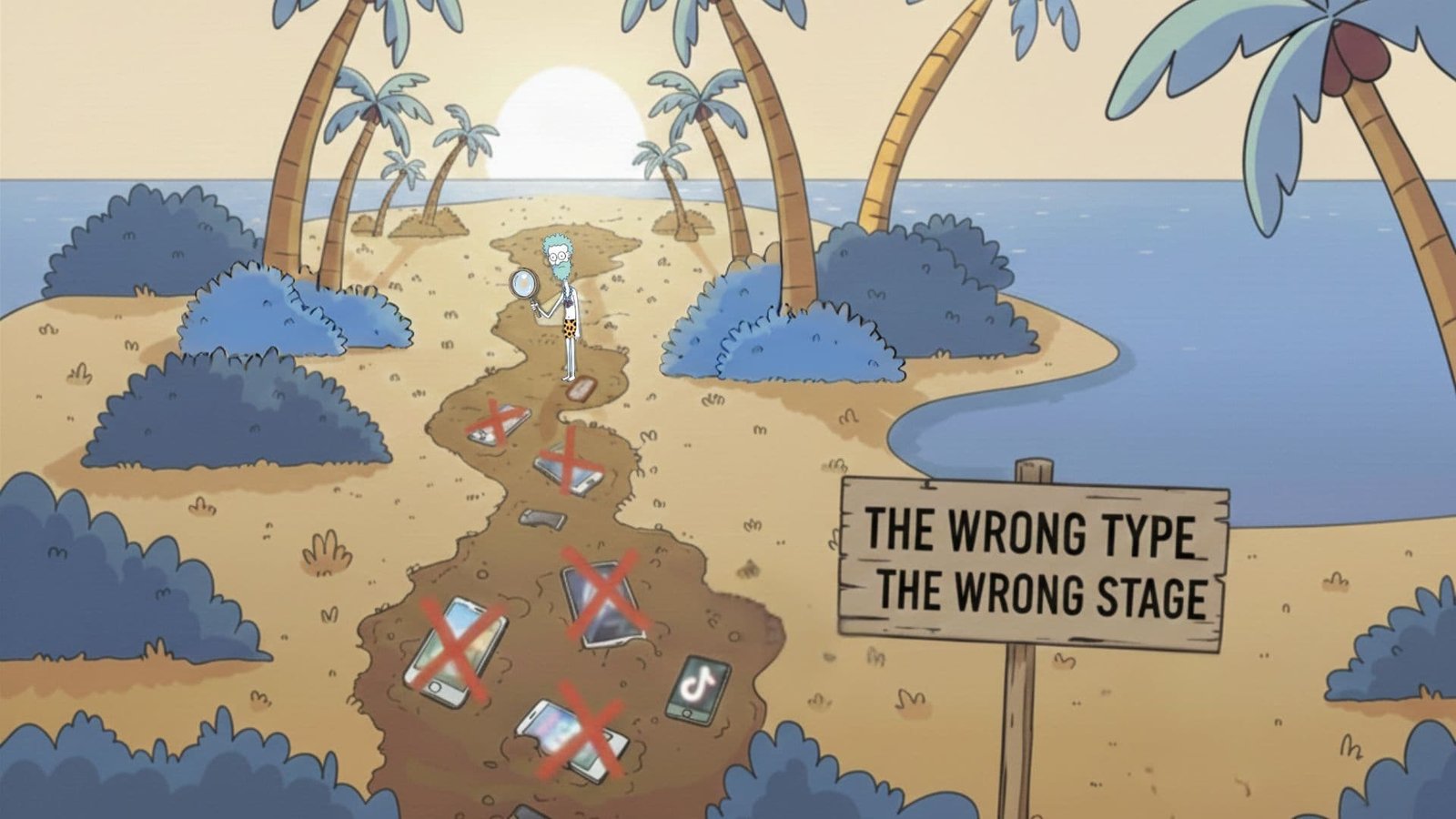
The Critical Mistake: Wrong Type At Wrong Stage
Using customer reviews at Stage 1 is like using lifestyle content at Stage 5. Mismatched to what that stage needs.
Stage 1 needs: Lifestyle Integration UGC. They’re not shopping. They’re scrolling. Show them an aspirational life, not testimonials.
Stage 2 needs: Identity Declaration UGC. They recognise a gap between current and ideal self. Show them how others bridged that gap through your brand.
Stage 3 needs: Peer Validation UGC. They’re evaluating if you’re authentic enough to align with. Show them that people whose taste they respect have chosen you.
Stage 4 needs: In-Context Usage plus Transformation Narrative UGC. They’re comparing final options. Show them contextual fit and evidence of elevation.
Stage 5 needs: Community Belonging UGC. They’re ready to buy but want confirmation about the tribe. Show them the culture they’re joining.
Deploy Type 1 content at Stage 5 and it feels irrelevant. Deploy Type 7 content at Stage 1 and it feels premature. Match type to stage.
How To Source Each UGC Type Without Destroying Authenticity
Here’s the paradox: the moment Gazecatchers can tell you paid for UGC, it loses power.
But waiting for organic UGC means never getting the types you actually need.
The solution isn’t choosing between paid and organic. It’s about strategic sourcing that maintains authenticity.
For Type 1 Lifestyle Integration:
Don’t ask customers to “post a photo with our product.” That yields generic product shots.
Instead: Identify customers whose lifestyle already aligns with your aesthetic. Send them product with no posting requirements. Simply say “we thought you’d appreciate this.” Many will post naturally because it fits their existing content.
Alternative: Work with micro-influencers under 5,000 followers who genuinely use products in their category. Not sponsored posts. Genuine seeding to people whose aesthetic matches your brand.
For Type 2 Identity Declaration:
This can’t be bought. It emerges organically when your brand genuinely aligns with customer values.
Foster it by: Creating space for customers to articulate what your brand means to them. Ask open questions in community spaces. “What drew you to this brand?” Not for content purposes. For genuine connection. Then ask permission to share compelling responses.
For Type 3 Peer Validation:
Identify taste-makers in your niche. Not influencers looking for brand deals. People with distinctive point of view and small but engaged following.
Approach them as fans, not advertisers. “We’ve admired your aesthetic. Would love to send you something.” No posting requirements. If they genuinely align, they’ll share naturally.
Critical: Their audience must overlap with your target Gazecatchers. Follower count is irrelevant. Aesthetic alignment is everything.
For Type 4 Behind-The-Scenes:
This depends entirely on your actual brand experience. You can’t fake it.
If your packaging, presentation, and unboxing experience don’t merit documentation, improve the experience first. Then customers will create this content organically because it’s genuinely worth sharing.
For Type 5 In-Context Usage:
Watch where customers naturally place your products. Monitor tags and mentions. The best contextual content emerges when products genuinely fit specific aesthetics or environments.
Encourage by: Showcasing diverse contexts in your own content. This gives customers permission to photograph in similar ways.
For Type 6 Transformation Narrative:
Check in with customers 30, 60, 90 days post-purchase. Not with surveys. With genuine curiosity: “How has this changed your routine?” “What surprised you?” “What’s different now?”
Compelling narratives emerge from these conversations. Ask permission to share.
For Type 7 Community Belonging:
This only exists if you have actual community, not just a customer list.
Build it through: Events, insider access, member-only spaces, shared language. Then document genuine community moments. You can’t manufacture this type. You can only capture what actually exists.
Getting Permission Without Destroying Authenticity
77% of marketers don’t even request permission before using customer photos. This creates legal risk and trust damage when customers discover their content used without consent.
But formal permission requests can feel corporate and transactional.
The approach that works:
Keep it personal and simple. Direct message beats email because it feels human, not legal.
Template: “We love this content! Can we share it on our channels with credit to you? Feel free to DM us your other social handles if you’d like us to tag you elsewhere.”
No legal language. No forms. Just straightforward request with clear credit offered.
Get written permission, even if they verbally agree. A thumbs up emoji or “yes please” in DMs counts. Screenshot and save.
For ongoing use in ads or off-platform: More formal written permission is necessary. But initial social media sharing can use simple DM consent.
Maintaining Brand Aesthetic With Diverse UGC
Here’s the tension: Gazecatchers care about visual consistency. But authentic UGC is inherently diverse.
How do you balance aesthetic coherence with genuine varied content?
The curation strategy:
Be selective about what you repost. Not every customer photo deserves sharing. You’re curating a gallery, not documenting every sale.
Filter criteria:
- Does the lighting and composition meet minimum aesthetic standards?
- Does the context align with brand positioning?
- Does the person’s broader aesthetic match the tribe you’re building?
- Would Gazecatchers see this and feel aspirational pull or generic validation?
This selectivity signals exclusivity, not fakeness. Gazecatchers respect brands with clear point of view.
Frame diverse content within consistent presentation. Use consistent border colours, caption structures, or posting formats. The individual images vary but the framing creates coherence.
Balance: 60% tightly aligned UGC that perfectly matches brand aesthetic. 40% slightly broader UGC that shows range whilst maintaining quality standards.
Research shows consumers avoid brands publishing content with grammar and spelling mistakes. Quality standards matter. Curate accordingly.
The Content Ratio That Actually Works
UGC shouldn’t replace all brand content. It’s one element of a complete content strategy.
Research shows organic content creation can’t replace other content types like brand graphics, educational posts, or founder storytelling.
The effective ratio for Gazecatchers:
40% Type 1, 2, and 3 UGC: Lifestyle integration, identity declaration, peer validation 30% Brand-created content: Your aesthetic, your point of view, your curation 20% Type 4, 5, 6 UGC: Behind-the-scenes, in-context usage, transformation 10% Type 7 UGC: Community belonging moments
This maintains authenticity through substantial UGC whilst preserving brand control over messaging and aesthetic.
Where Each UGC Type Lives
Not all content belongs everywhere. Strategic placement by type and platform maximises impact.
Instagram Feed: Type 1 Lifestyle Integration and Type 3 Peer Validation. This is the gallery. Curate for maximum aesthetic impact.
Instagram Stories: Type 4 Behind-The-Scenes and Type 5 In-Context Usage. More casual, more frequent, less permanent. Shows real use without cluttering the curated feed.
Website Product Pages: Type 6 Transformation Narrative. They’re evaluating purchase. Show them evidence of elevation, not just use.
Research shows UGC can boost conversions by 29% when added to product pages. But the type matters. Transformation narratives work here. Random customer photos don’t.
Paid Ads: Type 1 Lifestyle Integration and Type 2 Identity Declaration. Ads need to stop scrollers. Aspirational lifestyle does that. Identity alignment does that. Product photos don’t.
Optimised UGC formats can drive engagement rates 6.9 times higher than brand-created content in ads.
Community Spaces: Type 7 Community Belonging. In private groups, member areas, email to existing customers. Shows insiders what being part of the tribe looks like.
Handling Off-Brand Or Negative UGC
Not all customer content deserves amplification. Some actively damages brand positioning.
Research shows more than 40% of people will disengage from a brand’s community after just one exposure to toxic or fake UGC. 45% say they’ll lose all trust.
What to filter out:
Content from customers whose overall aesthetic conflicts with brand positioning. Even if they love your product, their broader identity might not represent the tribe you’re building.
Low-quality images that damage perception. 59% of consumers avoid brands publishing content with grammar and spelling mistakes. Quality standards protect brand equity.
Content with inappropriate elements in background, caption, or context. Even if the product looks good, contextual elements might conflict with values.
Negative content or complaints posted publicly. Address these directly with the customer, not by featuring them.
The moderation system:
Never run unmoderated live feeds. Always curate before displaying.
Have clear internal guidelines: minimum quality standards, aesthetic alignment criteria, value compatibility checks.
Review every piece before sharing. This isn’t suppressing authenticity. It’s maintaining brand integrity whilst featuring real customers.
When in doubt, don’t share. Better to post less frequently with strong alignment than frequently with inconsistent messaging.
The Conversion Impact When Done Right
Generic UGC implementation delivers marginal improvements. Strategic UGC deployment by type and stage transforms conversion.
When visitors encountered UGC whilst browsing, conversion increased by 3.8%. When they actively engaged with that content, conversions jumped 102%.
That engagement happens when the content type matches their current stage and psychological need.
Type 1 content at Stage 1 stops the scroll. Type 3 content at Stage 3 removes authenticity anxiety. Type 7 content at Stage 5 triggers commitment.
Match type to stage, and UGC becomes the most powerful conversion tool available for identity-driven buyers.
Miss the match, and it’s just noise.
The Bottom Line
User-generated content works for Gazecatchers because it answers the question brand content can’t: what does using this product actually signal about me?
But not all UGC answers that question equally. The seven types serve different psychological functions at different stages.
Most brands default to simple product photos. Type 5 content at best. Often not even that because context is generic.
The brands that convert Gazecatchers deploy Type 1 lifestyle content at awareness stages, Type 3 peer validation at evaluation stages, Type 6 transformation narratives at decision stages.
They curate strategically, maintaining aesthetic standards whilst featuring authentic voices. They source content that naturally aligns rather than incentivising forced posts.
They understand that UGC for identity-driven buyers isn’t about proving the product works. It’s about proving the tribe is worth joining.
Get the type right for the stage. Curate for quality and alignment. Feature people whose identity Gazecatchers aspire to claim.
That’s when UGC stops being customer photos and starts being conversion infrastructure.